
HOW TO PREPARE YOUR HOUSE FOR WINTER: 4 STEPS TO PREVENT COSTLY DAMAGE
When it comes to how to prepare your house for winter, small maintenance issues can quickly become expensive problems. A forgotten garden hose, a clogged gutter, or a damaged roof shingle may seem insignificant in the fall, but winter weather can turn these oversights into water damage, insulation problems, and unexpected repairs.
For homeowners living in regions with cold weather, preparing for winter is especially important. Snow, freezing temperatures, strong winds, and rapid temperature changes can put added stress on your home’s plumbing and exterior.
The good news? A few proactive steps can help protect your property before the cold settles in.
1. Disconnect Garden Hoses and Protect Outdoor Plumbing
One of the simplest ways to prepare your home for winter is to disconnect garden hoses from outdoor faucets before freezing temperatures arrive.
When a hose remains connected, trapped water can freeze and expand, potentially damaging the hose bib or plumbing inside the wall. Even an outdoor faucet that appears to be working normally may develop a leak that goes unnoticed until temperatures rise.

Before winter:
- Disconnect all garden hoses and drain them before storing them indoors.
- Shut off and drain dedicated outdoor water lines if your home has separate shutoff valves and the system is designed for seasonal draining.
- Use insulated faucet covers where appropriate.
- Insulate exposed pipes in unheated areas, including garages, crawl spaces, and basements.
- Know where your main water shutoff valve is located in case a pipe bursts.
During severe cold, keep your home’s thermostat at a consistent temperature, even when you’re away. If temperatures are expected to drop significantly, open cabinet doors beneath sinks along exterior walls to help warm air circulate around plumbing.
Why it matters: Frozen pipes can burst and release substantial amounts of water once they thaw. A few minutes of preparation can help prevent a major cleanup.
2. Inspect Your Roof Before Snow Arrives
Your roof is your home’s first line of defense against winter weather. Missing shingles, damaged flashing, and deteriorating seals around vents or chimneys can create openings for moisture to enter.
Before the first significant snowfall, look for visible warning signs from the ground:
- Missing, cracked, curling, or visibly damaged shingles.
- Loose or damaged flashing around chimneys, vents, and roof transitions.
- Sagging gutters or visible debris near roof edges.
- Water stains on interior ceilings or walls.
- Signs of previous leaks in the attic, if it can be accessed safely.
Do not climb onto a roof to inspect it yourself. If something looks concerning, a qualified roofing professional can assess the condition and identify potential problems before winter weather makes repairs more difficult.
3. Clean Gutters and Check Downspouts
Gutters do more than collect rainwater. They help direct water away from your roof, siding, foundation, and other vulnerable areas of your property.

When leaves, twigs, and other debris accumulate, water can back up instead of draining properly. In freezing conditions, that trapped water may freeze and contribute to ice buildup along the roof’s edge.
Before winter:
- Remove leaves and debris from gutters.
- Check that downspouts are clear and securely attached.
- Confirm that downspouts direct water away from your foundation.
- Look for sagging sections, loose fasteners, and visible leaks.
- Arrange repairs for damaged gutters before heavy snow or ice arrives.
Keep safety in mind when cleaning gutters. Use appropriate equipment and avoid ladder work in wet, icy, or windy conditions.
4. Seal Drafts and Prepare Your Home’s Exterior
Cold air and moisture can enter through gaps around windows, doors, utility penetrations, and other exterior openings. Addressing these weak points can improve comfort and help protect vulnerable areas from winter conditions.
Walk around your property and check for:
- Cracked or deteriorating caulk around windows and doors.
- Damaged weatherstripping.
- Gaps around pipes, cables, and other exterior penetrations.
- Loose siding, damaged trim, or deteriorated exterior sealants.
- Low areas near the foundation where water may collect.
Use appropriate weatherstripping or sealants for the materials and conditions involved. For larger gaps, damaged siding, or areas where water is already entering, professional repairs may be needed.
Also, secure or store outdoor furniture, lightweight decorations, and other items that could be displaced by strong winds. These simple precautions can help limit avoidable exterior damage during winter storms.
Prepare House for Winter: Protect Your Property Before Winter Arrives

Winter preparation does not have to be complicated, but it does require attention to the parts of your home most vulnerable to freezing temperatures and moisture. To prepare a house for winter, disconnect hoses, protect exposed pipes, inspect your roof, clean gutters, and seal exterior gaps to help reduce the risk of preventable damage
If you notice missing shingles, damaged flashing, recurring leaks, or other concerns with your roof or home’s exterior, RJI Professionals can help you understand your options. Our team offers a range of roofing and restoration services, including roofing, siding, gutters, windows, and doors, to help property owners protect their homes and address damage before it becomes a bigger problem.
Have questions about your roof or exterior before winter? Explore RJI Professionals’ services or contact our team to discuss your property’s needs.
Frequently Asked Questions About Winter Home Preparation
When should I winterize my home?
Start in early fall, before freezing temperatures become frequent. Complete outdoor plumbing tasks, gutter cleaning, and visible roof checks before the first major snowstorm. Because cold weather can change quickly, it’s best not to wait for the first freeze.
Can leaving a garden hose connected cause a pipe to freeze?
Yes. A connected hose can trap water and prevent an outdoor faucet from draining properly, increasing the risk of freeze damage. Disconnect hoses before freezing weather and follow the manufacturer’s guidance for winterizing your specific faucet and plumbing system.
How can I tell if my roof is ready for winter?
Look for visible shingle damage, loose flashing, clogged gutters, and signs of previous leaks. A professional roof inspection can help identify less obvious issues, particularly if your roof is older or has experienced hail or wind damage previously.
Are ice dams a sign that my roof needs to be replaced?
Not necessarily. Ice dams can result from heat loss, inadequate insulation, air leaks, ventilation problems, or a combination of factors. Identifying the underlying cause is important before deciding which repairs are needed.
What should I do if I discover a roof leak during winter?
Protect belongings, collect dripping water if it is safe to do so, and contact a qualified roofing professional. Avoid climbing onto an icy roof or attempting to remove heavy snow or ice yourself. If water is near electrical fixtures, stay clear and seek appropriate professional assistance.
Read Related Articles
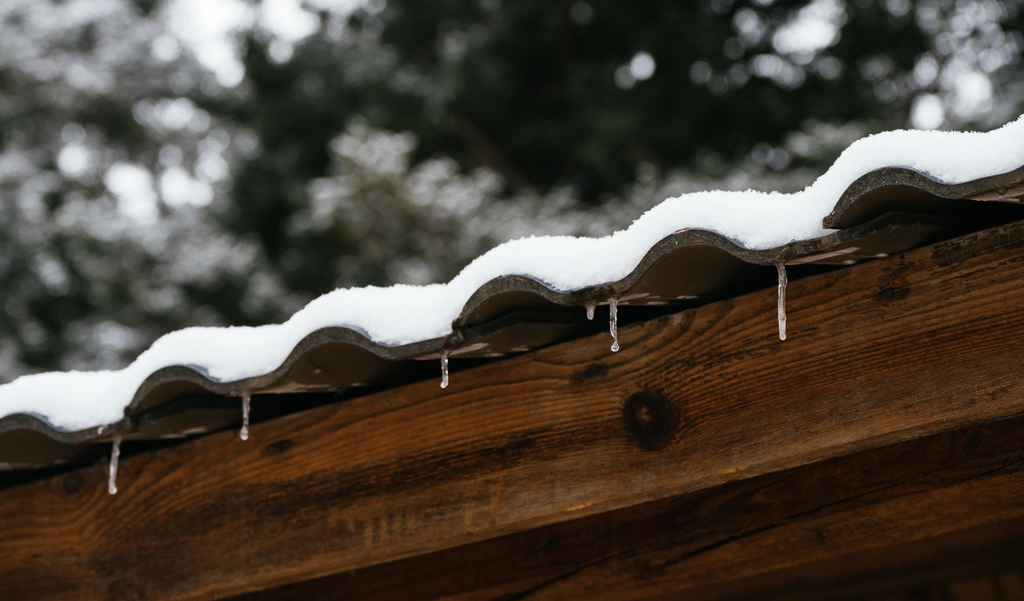
HOW TO PREPARE YOUR HOUSE FOR WINTER: 4 STEPS TO PREVENT COSTLY DAMAGE
HOW TO PREPARE YOUR HOUSE FOR WINTER: 4 STEPS TO PREVENT COSTLY DAMAGE When it comes to how…
PROPERTY RECONSTRUCTION VS. RESTORATION: UNDERSTANDING YOUR OPTIONS
PROPERTY RECONSTRUCTION VS. RESTORATION: UNDERSTANDING YOUR OPTIONS AFTER DAMAGE When your property is damaged by an unexpected event,…
SUMMER STORM DAMAGE? WHY SEPTEMBER IS THE TIME TO ACT!
SUMMER STORM DAMAGE? WHY SEPTEMBER IS THE TIME TO ACT! Summer is one of the most active seasons…
THE SILENT THREAT: WHY SMALL MIDWEST STORMS STILL CAUSE MAJOR ROOF DAMAGE
The Silent Threat: Why Small Midwest Storms Still Cause Major Roof Damage The Midwest is famous for its…
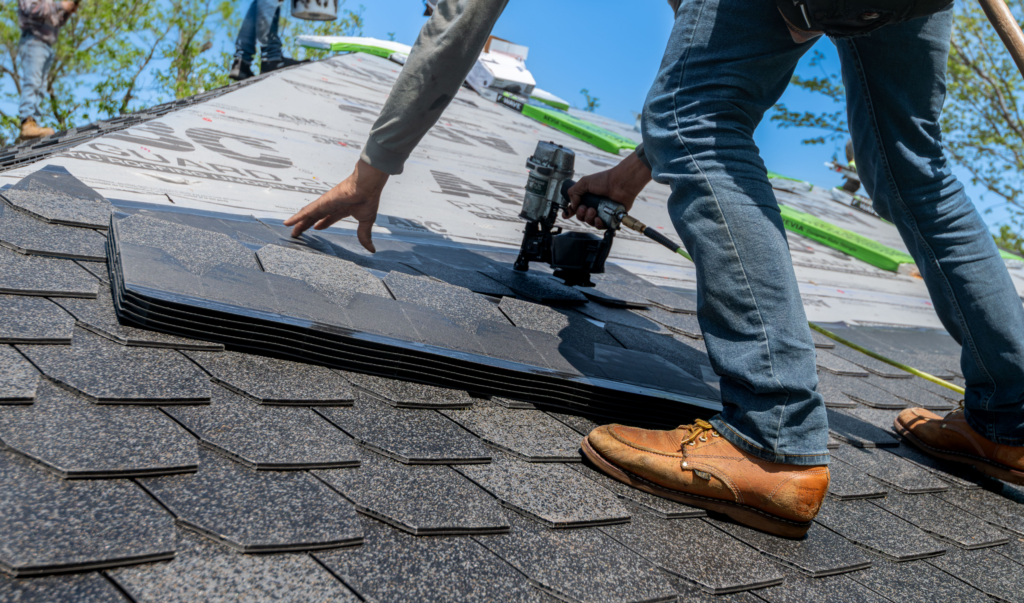
ARE IMPACT-RESISTANT SHINGLES WORTH IT? WHAT PROPERTY OWNERS NEED TO KNOW
Are Class 4 Impact-Resistant Shingles Worth it? What Property Owners Need to Know Storm damage can leave property…
THE COST OF WAITING: WHY YOU SHOULD SCHEDULE A ROOF INSPECTION IMMEDIATELY AFTER SEVERE WEATHER
The Cost of Waiting: Why You Should Schedule a Roof Inspection Immediately After Severe Weather Severe weather is…
MY ROOF IS GOING TO LAST FOREVER, RIGHT?
MY ROOF IS GOING TO LAST FOREVER, RIGHT? That’s a really good question. And the answer is, no….
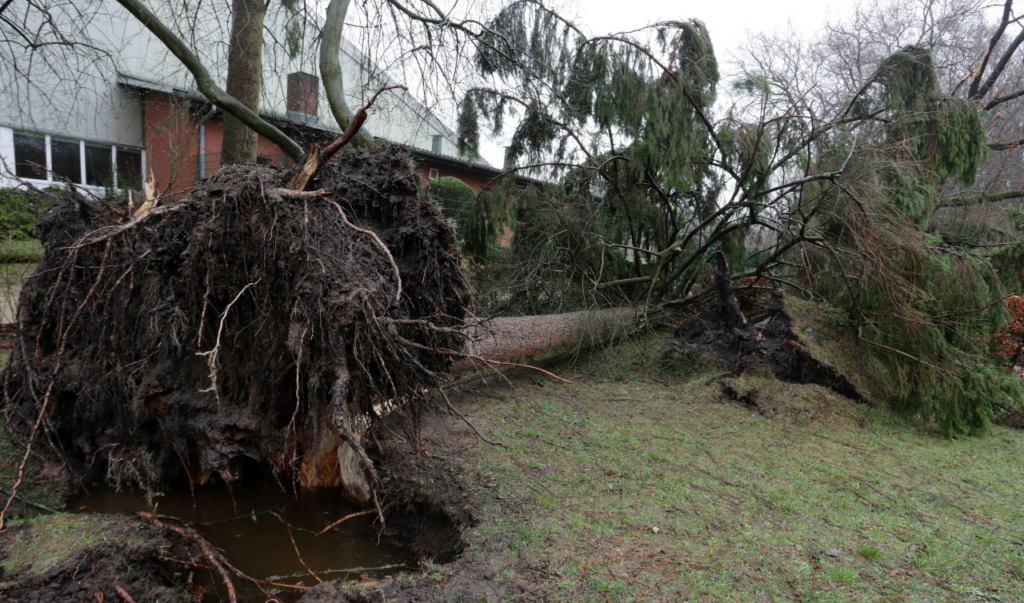
4 STEPS TO FOLLOW AFTER STORM DAMAGE
4 STEPS TO FOLLOW AFTER THE STORM HITS Your heart sinks and your mind races after a storm…

PROTECTING OUR CLIENTS, THEIR HOMES AND OUR EMPLOYEES AMIDST COVID-19
Our Commitment to Safety As a new day begins, we continue to face new challenges brought on by…
WHAT ARE ICE DAMS AND WHAT SHOULD I DO?
WHAT ARE ICE DAMS AND WHAT SHOULD I DO? Let’s face it, when you live in Colorado, Minnesota,…